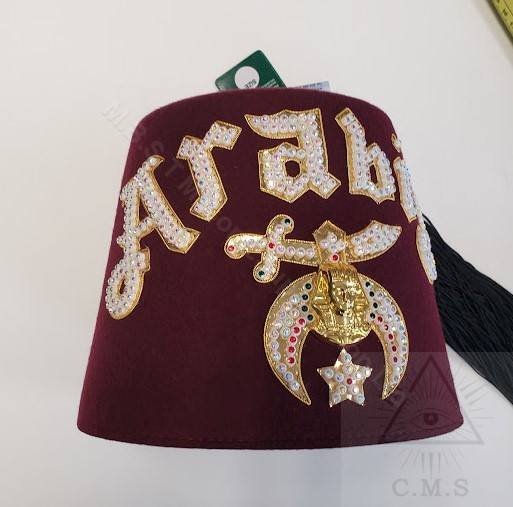
Few fraternal symbols are as recognizable as the red fez of the Shriners. Spot one at a parade and almost anyone can tell you who is wearing it, even if they can't tell you why. Here is the short history of how the fez became the Shriners' signature.
How the Shriners began
The Shriners began in New York City in the early 1870s. A group of Freemasons, led by Walter M. Fleming, a physician, and William J. Florence, an actor, wanted a fraternity where Masons could enjoy fellowship and fun alongside the more serious work of the lodge. The organization they founded became known as the Ancient Arabic Order of the Nobles of the Mystic Shrine. Today it is called Shriners International.
From the beginning, membership required that a man first be a Master Mason, and that remains true today.
Why a Near Eastern theme?
In the late 1800s, all things "Oriental" were fashionable in America and Europe. Florence had traveled abroad and is said to have attended a lavish party with a Near Eastern theme. That flavor shaped the new order's names, ceremonies and dress. Local chapters became Temples, many with exotic names, and members took the title Noble.
Why the fez?
The fez takes its name from the city of Fez in Morocco, once a major center for producing the red felt caps. Worn across North Africa and the Ottoman world, the fez fit the order's theme perfectly. Early Shriners adopted it as their distinctive headwear, and it has been the emblem of the Nobility ever since.
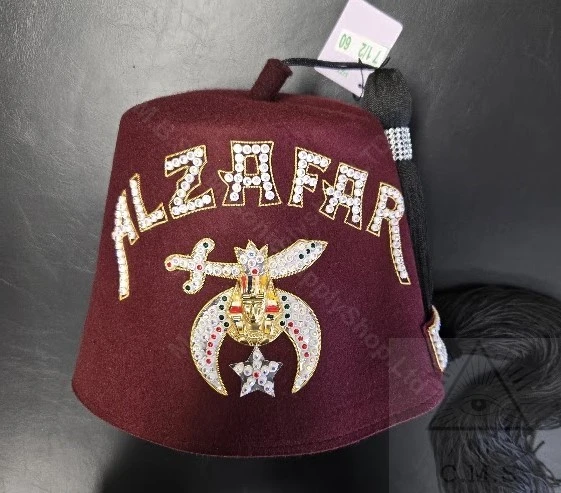
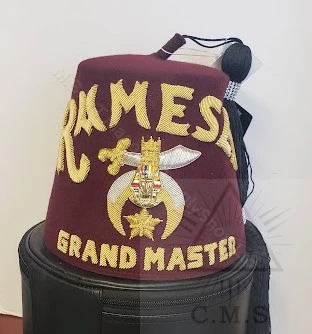
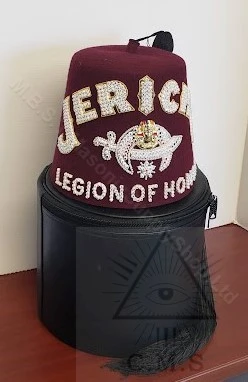
Over time the fez became personal. Temple names, unit names, offices and jeweled emblems turned a simple felt cap into a record of each Noble's place in the fraternity.
The fez and the hospitals
In 1922 the Shriners opened their first hospital for children, in Shreveport, Louisiana. Shriners Hospitals for Children grew into a network serving children across North America and beyond. For many people the fez is now as closely linked with that philanthropy as with fellowship. When the public sees a parade of fezzes, they are often watching Nobles raise funds and awareness for the hospitals.
The fez today
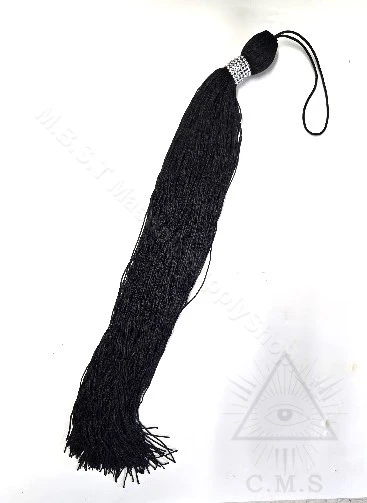
Nobles wear the fez at ceremonials, parades, unit events and Temple functions. Each Temple sets its own customs on lettering, tassels and when the fez is worn or removed. For a new Noble, receiving and wearing a first fez remains a proud moment.
To learn more about the organization, visit Shriners International. If you're ready to buy, our fez shop guide explains how to choose embroidered or jeweled work and get the fit right, and Masonic Supply Shop carries Shrine regalia.